Yancheng Ruins of the Spring and Autumn Period
The best-preserved above-ground city site from the Spring and Autumn Period in China

Overview of Yancheng
Yancheng of the Spring and Autumn Period is currently the most intact and ancient above-ground city site preserved in China, with a history of over 2,700 years. Its core area features a unique “three cities and three rivers” layout — radiating outward from the center are the inner city and its moat, the middle city and its moat, and the outer city and its moat in sequence. This layout aligns with the Eight Trigrams of the I Ching, earning it the reputation of “China’s No.1 Fengshui City”.

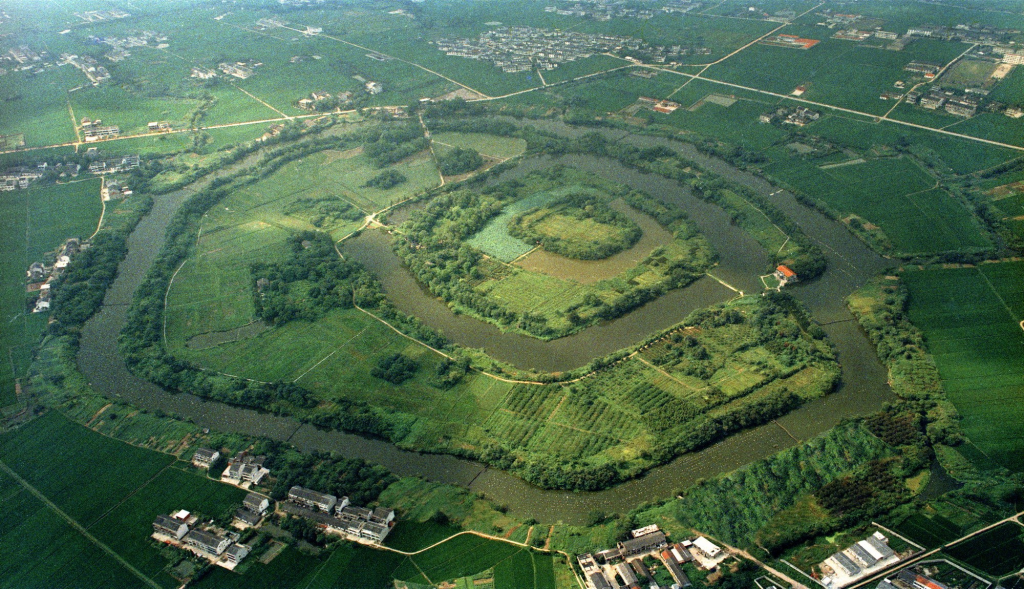
Covering a total area of approximately 650,000 square meters, the Yancheng Ruins were designated as a Key National Cultural Relic Prot-ection Unit in 1988. They serve as important physical evidence for the study of urban planning, military defense, and the water town culture of the Jiangnan region during the Spring and Autumn Period.
Core Scenic Spots and Legends
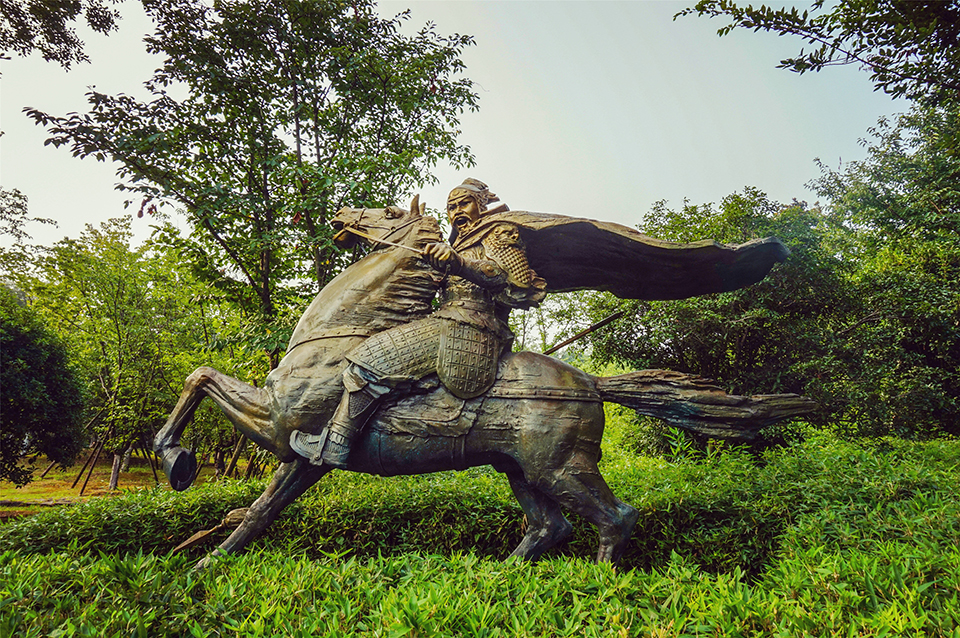
Yue Fei’s Platform for Dispatching Troops According to legend, during the Jianyan period of the Southern Song Dynasty, Marshal Yue Fei stationed his army in Yancheng and built this platform to review troops and deploy battle formations in resistance against the Jin soldiers.
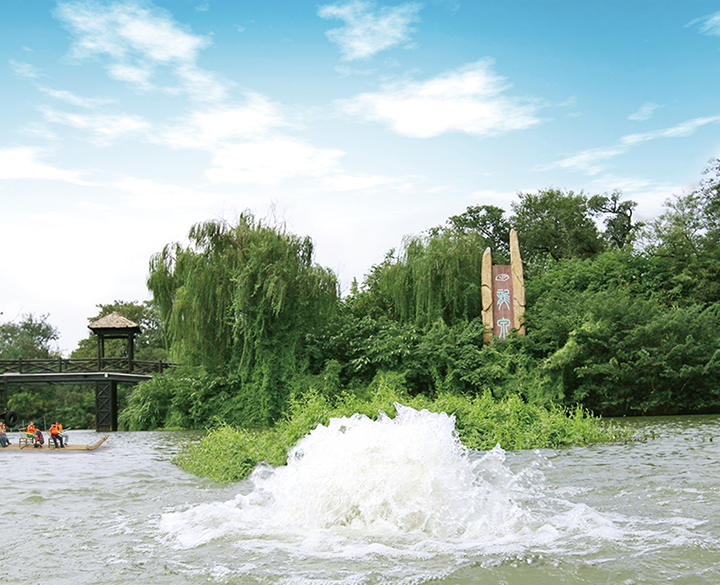
Longquan A natural spring in the core area of Yancheng, it remains abundant in water even during severe dro-ughts. According to folk legend, Longquan is connected to the Dragon Palace in the East China Sea, endowing Yancheng with a mysterious mythological charm.
Yancheng Museum Housing over 1,000 cultural relics unearthed from the Yancheng Ruins, including bronze ritual vessels, primitive celadon, and bamboo-and-wood artifacts, the museum comprehensively show-cases the production, daily life, and cultural features of the Spring and Autumn Period.

precious unearthed cultural relics
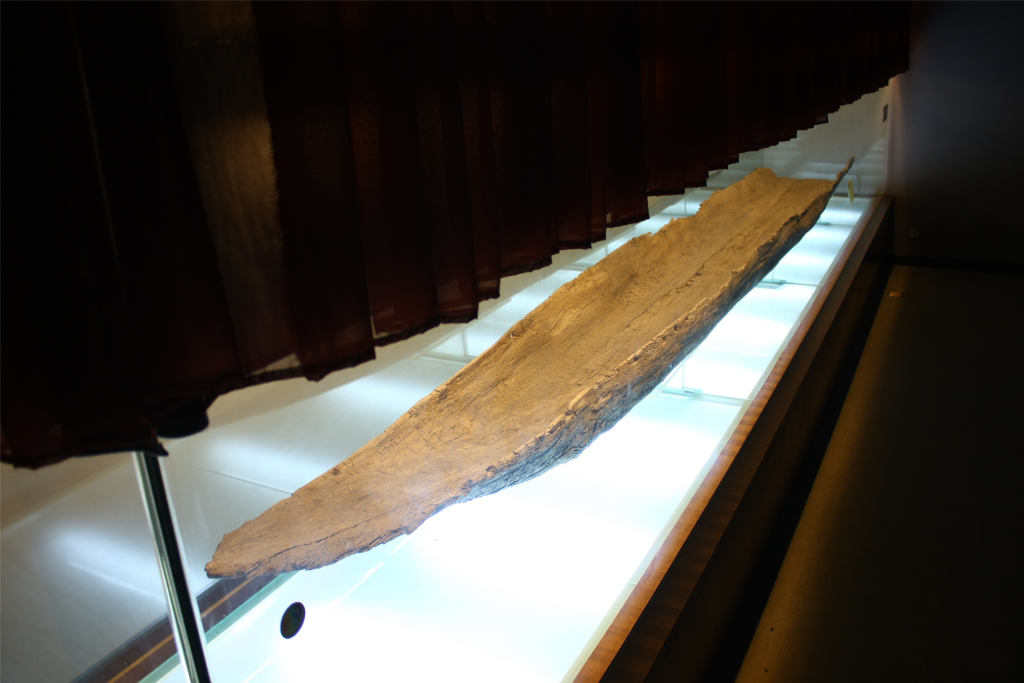
Among the four dugout canoes unearthed from the inner moat, a 7.45-meter-long nanmu dugout canoe, dating back 2,800 years, is the oldest and bestpreserved ancient dugout canoe ever discovered in China. Hailed as “the No.1 Canoe Under Heaen,” it is now treasured by the Yancheng Museum.
In addition, an over 3,000-year-old bamboo-and-wood well has been unearthed at the site. As a typical representative of the well structure in early China, it confirms the water conservancy technology level of the Jiangnan region during the Pre-Qin Period.
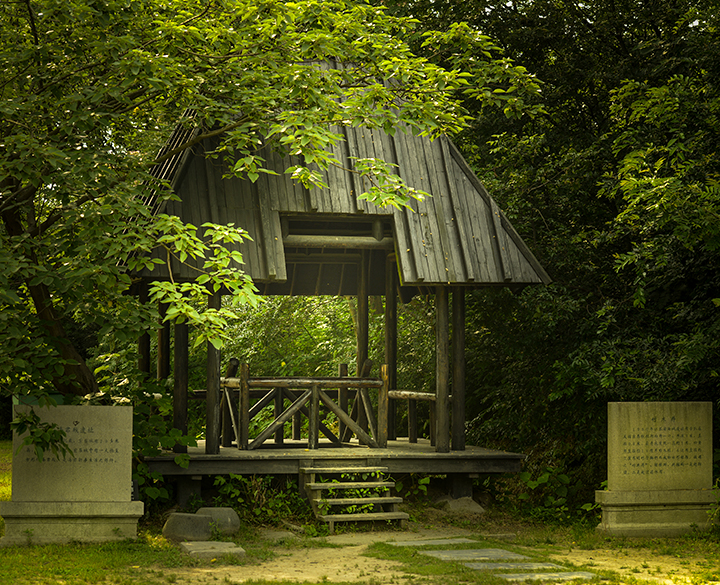
With its unique “three cities and three rivers” layout, long-standing history, historical legends, and precious cultural relics, Yancheng of the Spring and Autumn Period has become a “living historical museum” that carries the culture of the Spring and Autumn Period and showcases the ancient architecture and natural scenery of the Jiangnan region